Causes and diagnosis
The cause is still unknown, although hormonal changes and genetic factors are believed to play an important role. It often runs in families and may first appear or worsen during puberty, pregnancy, or menopause.
There is currently no test that can diagnose lipedema. Diagnosis is made through a detailed medical history and clinical examination by a healthcare professional familiar with the condition.
Common symptoms
In later stages, some people also develop swelling due to lymphatic involvement, known as lipo-lymphedema.
- Painful, tender legs or arms
- Fatigue or a feeling of heaviness in the limbs
- Easy bruising
- Fat that is difficult to lose despite a healthy diet and regular exercise
- A noticeable difference between the upper and lower body
- Small nodules or a grainy texture beneath the skin
- Increased joint flexibility
- A family history of similar symptoms
Our approach
There is no cure for lipedema, but early diagnosis and appropriate treatment can help reduce pain, improve mobility, manage swelling, and slow progression. Your treatment plan is built around your symptoms, lifestyle, and goals.
- Manual Lymphatic Drainage
- Helps stimulate the lymphatic system and reduce fluid build-up, particularly where lipo-lymphedema is present.
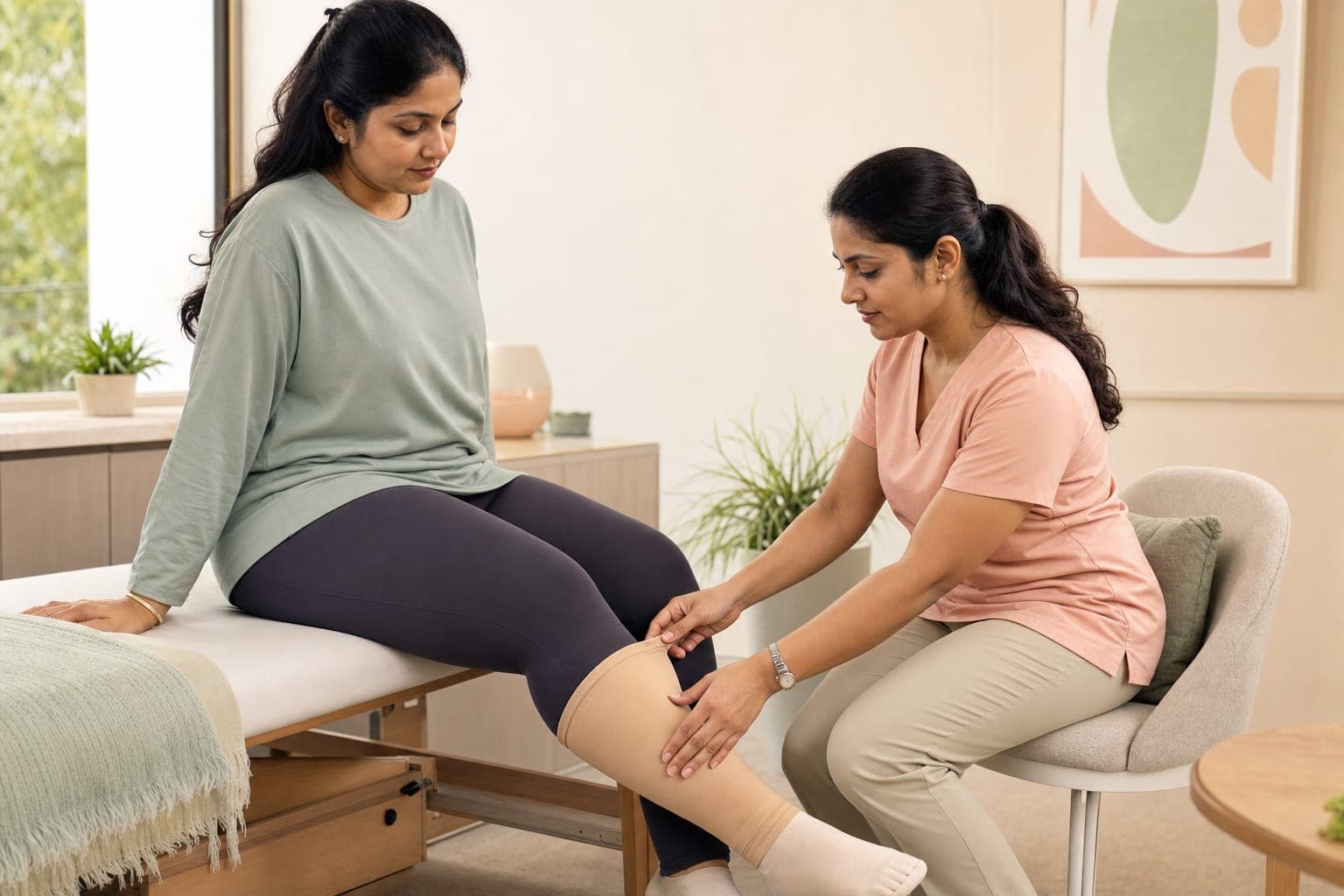
- Compression therapy
- Supports the affected tissues, helps control swelling, reduces discomfort, and improves mobility.
- Aerobic and strength training
- Personalised programmes that improve muscle function, stamina, joint health, and overall mobility.
- Vibration therapy
- Used for selected individuals under supervision to stimulate muscle activity, improve circulation, and reduce heaviness.
- Diet and lifestyle guidance
- Support focused on reducing inflammation, maintaining a healthy weight, and improving long-term well-being.